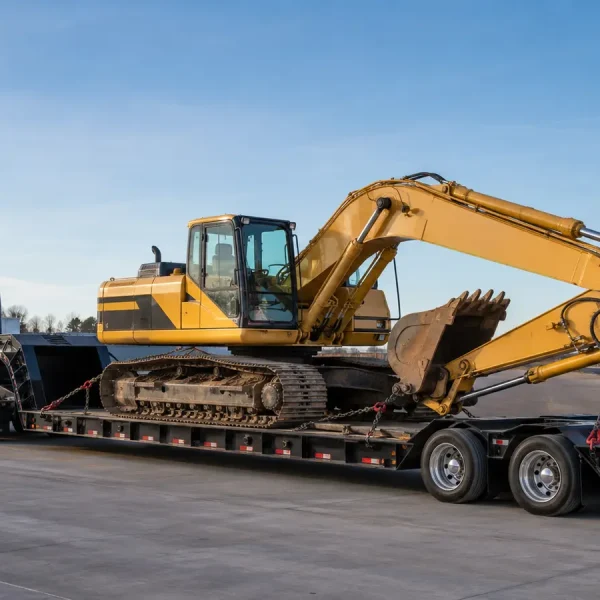
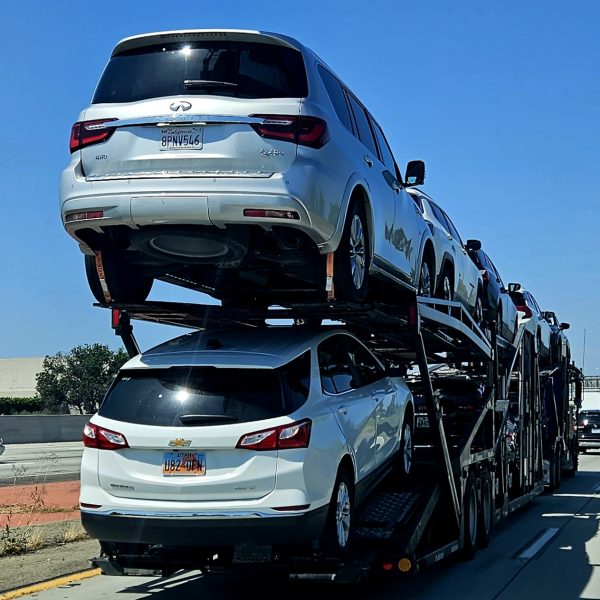
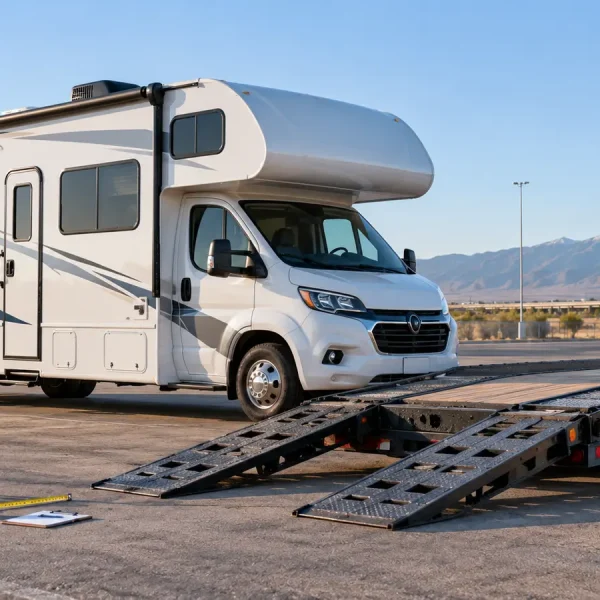
Oversized vehicle transport starts with the vehicle’s actual dimensions, weight, condition and loading access. The carrier must then review the complete loaded combination and route. A large bus, RV, tractor or construction machine cannot be assigned a trailer or permit plan from its category alone.

What Makes a Vehicle Shipment Oversize or Overweight?
Length, width and height affect the shipment’s dimensional profile. Gross and axle weights require a separate review. Trailer deck height, attached accessories, overhang and weight distribution can change the final loaded combination. Provide verified cargo measurements so the carrier can evaluate that combination against the applicable route requirements.
What Information Is Needed Before Quoting?
- Year, manufacturer, model and VIN or equipment identifier.
- Length, width, height and weight in the intended shipping configuration.
- Installed and detached attachments, with separate piece details.
- Ground clearance, overhang and current photographs.
- Whether the vehicle starts, moves, steers and brakes.
- Exact locations, site contacts, release requirements and receiving hours.
- Available loading assistance and requested pickup window.

How Are the Trailer and Loading Method Chosen?
Trailer capacity, usable deck space, loaded height, axle distribution and loading geometry all need to fit the actual vehicle. A low-profile trailer may help with a tall unit, while a non-running vehicle may need separately arranged winching, lifting or recovery assistance.
Confirm who supplies loading and unloading equipment and qualified operators. The transport carrier should not be assumed to provide repair, disassembly, crane work or final placement unless that work is expressly included.
Why Do the Route and Site Access Matter?
The shortest route may not accommodate the loaded dimensions or weights. The carrier must review applicable permits, clearances, restrictions and any required escort arrangements. A highway route that works does not prove that the trailer can enter a narrow gate, turn inside a yard or reach the unloading area.
Give the coordinator photos and measurements of difficult entrances, overhead obstructions and loading areas. Identify a suitable alternative handoff location if the requested site cannot accommodate the assigned equipment.
What Should Be Confirmed Before Dispatch?
Review the written cargo description, transport method, loading responsibilities, price, payment terms and estimated timing. Provide release authorization and reachable contacts at both ends. Report changes to the vehicle or access before the truck arrives.
Review the applicable carrier coverage, limits, deductible, exclusions and reporting process for the shipment. Give the coordinator the vehicle’s value and condition; a general statement that a company is insured does not establish what a particular policy covers.
How Are Condition and Progress Recorded?
Photograph the vehicle and components before loading and compare them with the delivery condition record. Confirm the shipment contact and update method. Continuous GPS access and guaranteed arrival times should not be assumed; any specific commitment needs written confirmation.
Elevation Transport Services can review the vehicle, route and site requirements before coordinating an appropriate carrier and transport plan.
Related reading: vehicle transport companies. safely transporting vehicles. contact.
Need help planning your shipment? Learn more about heavy equipment and specialized transport services, or request the appropriate transport quote.
Need Help Planning Your Transport?
Request a shipment-specific quote for heavy equipment, construction and agricultural machinery, commercial buses and fleets, generators or specialized equipment. Enclosed and standard vehicle shipping remain available.